Intro
Inspiration doesn’t come from just one place usually, and so it goes with me. Whether it’s writing, video editing, graphic design/illustration, performance arts, and even boxing, I’ve pulled inspiration from a number of sources, including; music, film, art, books, and history. Below are a few examples of what inspires me. If you discern a pattern, it’s my love for the mash-up; mixing styles and genres to create something vivid and new.
Music
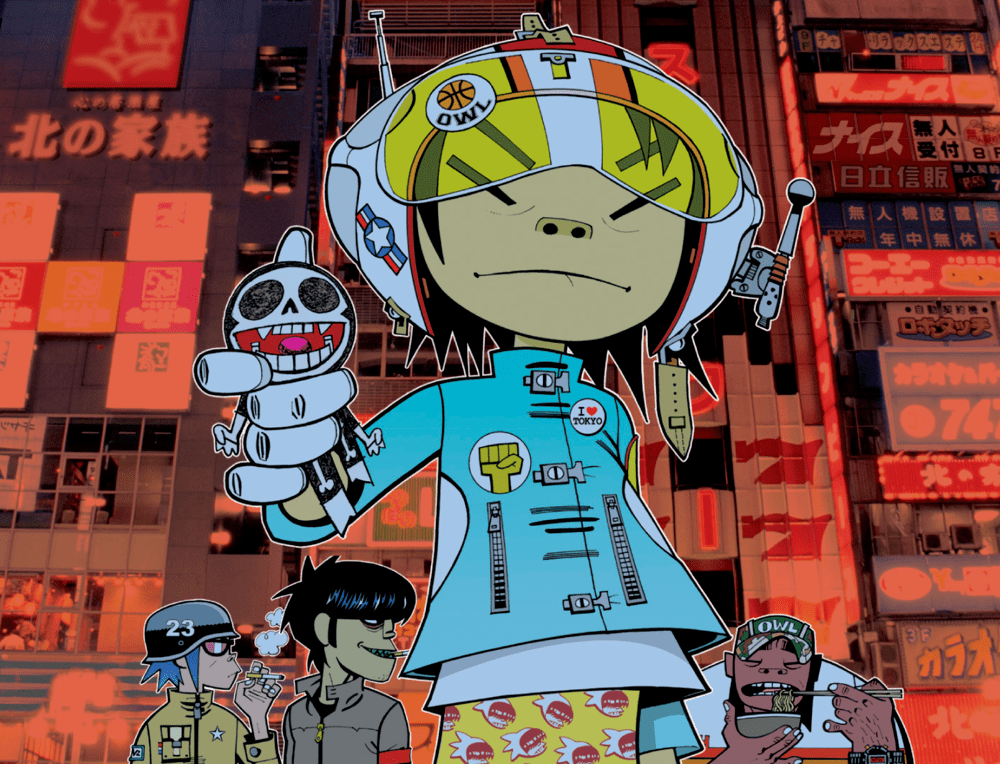
Gorillaz
Gorillaz is a virtual band created by musician Damon Albarn and artist Jamie Hewlett. Debuting in 2001, they were one of the earlier groups to infuse/mash musical genres together. Adding to this, Gorillaz has a distinct visual style thanks to Hewlett’s amine-influenced artwork. Before Gorillaz, Albarn was best known as the lead singer of Blur, while Hewlett had success with his comic Tank Girl.
Recommended Listening
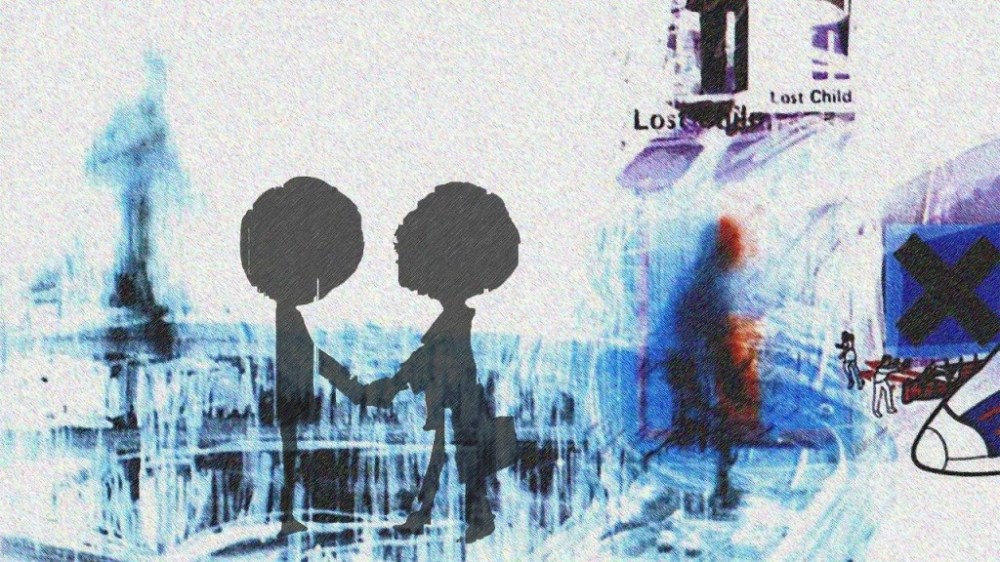
Radiohead
One of the greatest modern bands, Radiohead led the way for experimental/cutting edge arrangements. They were a solid alternative group before (The Bends), but with OK Computer, the band ascended to nearly untouchable levels. They’ve remained there ever since, releasing one haunting album after another. The accompanying artwork should also be commended for its abstract beauty.
Recommended Listening

ODESZA
A duo from my neck of the woods (the Northwest), ODESZA mixes block-rocking beats with engrossing and trance-like loops. This is much of my background music when writing.
Recommended Listening

Björk
The queen of avant-garde, This Icelander’s career spans many, many decades. Starting in punk, then post-punk, Björk wasn’t satisfied sticking to one genre. Being talented in multiple instruments, she evolved into the esoteric artist we know her as now. Mixing symphony-style scores, tech-driven beats, and elusive lyrics, she ranges from intimate to bombastic, many times in the same song. To the surprise of no one, Björk also produces a variety of art. Colorful collages usually accompany her music.
Recommended Listening
Films
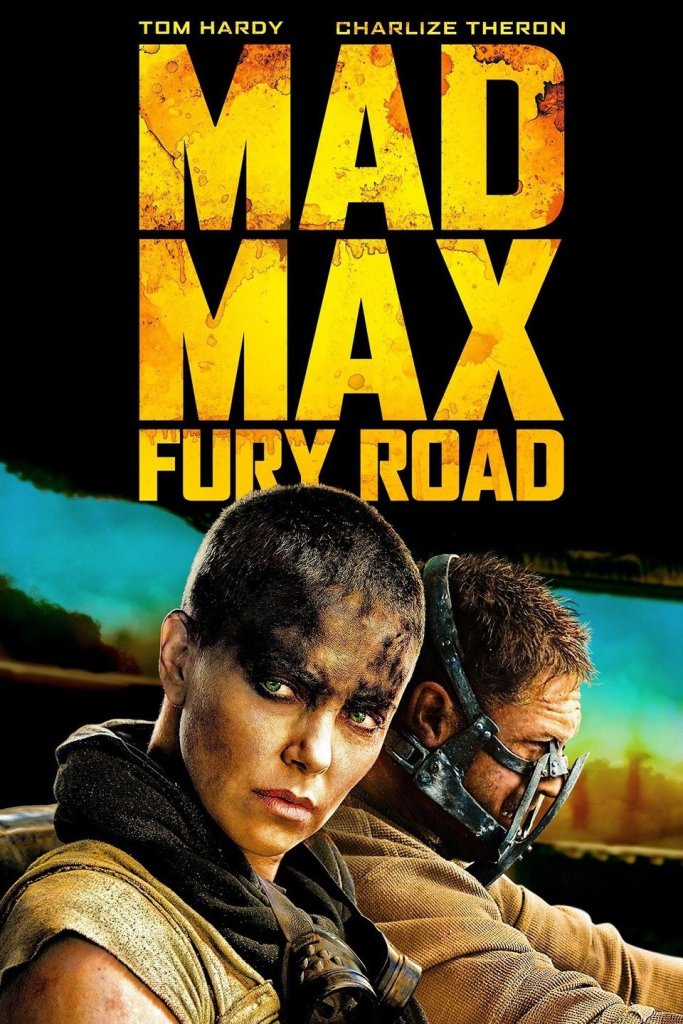
Mad Max: Fury Road
A modern classic. Director George Miller’s masterpiece took many years (and hurdles) to complete. Filming was a constant struggle, but the end result justified the means. Aside from the non-stop action, practical effects, and gorgeous visuals, there’s a great deal of depth in its streamlined plot. Characters and motivations are defined by actions, with very little exposition or backstory. Max is the catalyst, but the story belongs to Furiosa. There are many wonderful character moments within George Miller’s post-apocalyptic world. Highly recommended.
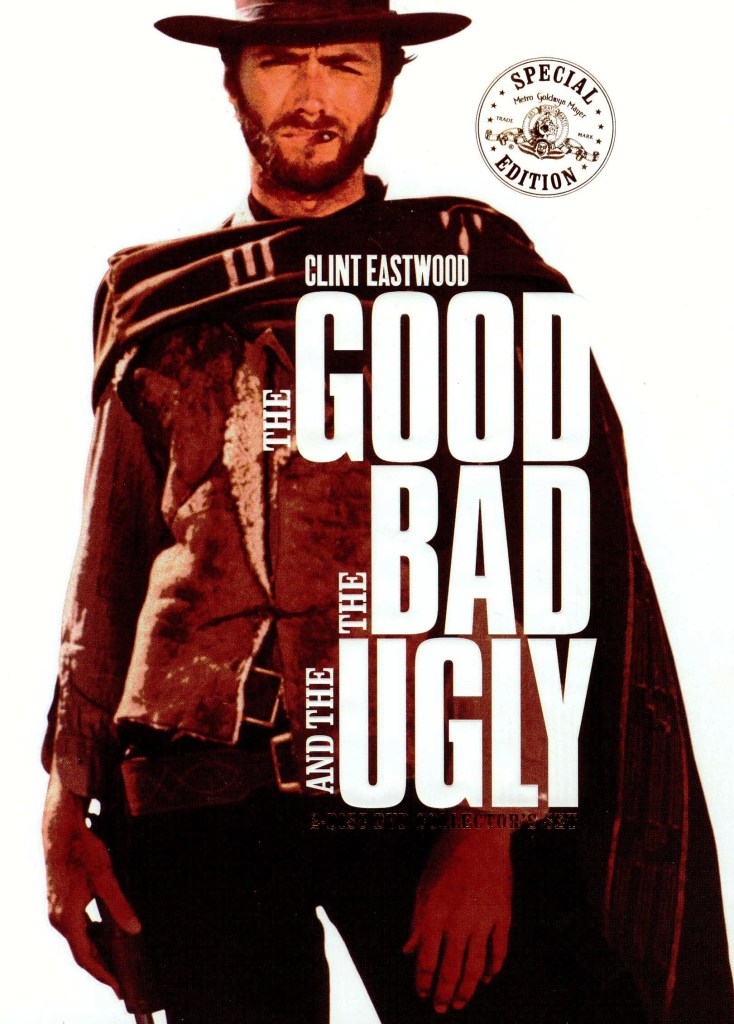
The Good, the Bad and the Ugly
Considered one of the greatest films ever made, for good reason. Both romanticizing and condemning the old west, Sergio Leone’s epic was one of the first westerns to question the morality of its characters. In a time where the heroes still wore white while the villains adorned black, this film was painted in decidedly gray brushstrokes. Everyone’s a bastard, just to varying degrees. Through Leone’s sweeping cinematography and Ennio Morricone’s instantly recognizable score, the characters strive for a single goal; money. This dynamic is further contrasted by its washed-out Civil War backdrop. When people talk about the anti-hero, Eastwood’s cigar-smoking Blondie is one of the first examples that comes to mind. An epic and morally-ambiguous tale.
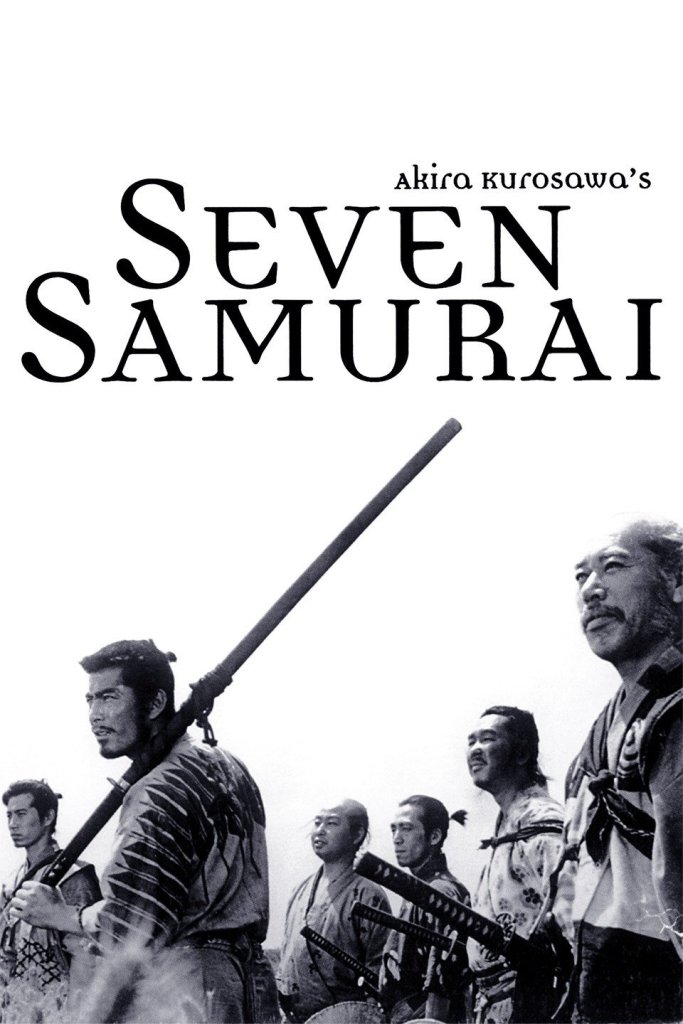
Seven Samurai
Another all-time great, Seven Samurai is a haunting tale not soon forgotten. Along with The Good, the Bad and the Ugly, Akira Kurosawa’s masterpiece had a clear influence on Storm Garden. A number of philosophies are explored in this absolute classic.
“Again we are defeated.”
Takashi Shimura’s line as the film closes carries more weight than most other movies I’ve watched or books I’ve read.
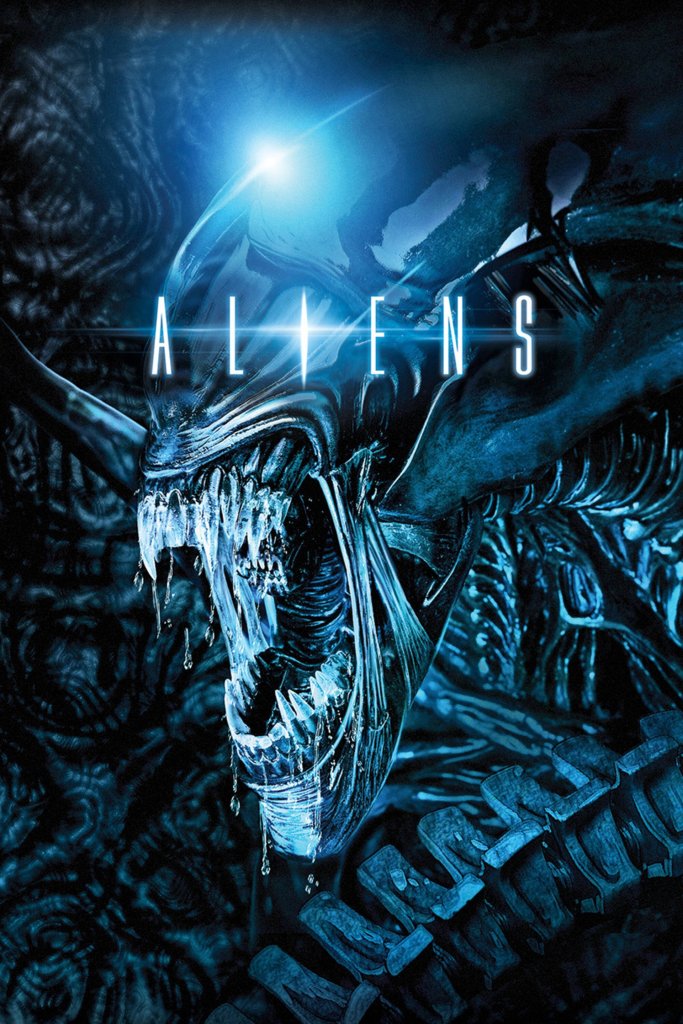
Aliens
Is it a science fiction film? Is it a horror movie? Is it an action flick? Yes. The sequel to another classic (Alien), James Cameron’s Aliens ratchets the tension up several notches. If one H.R. Giger creature wasn’t enough, how about a whole army of them? And let us not forget the alien Queen, which leads to one of the greatest action lines in history; “Get away from her, you bitch!” But if we’re dropping quotes, it’d be disrespectful to miss Bill Paxton’s unforgettable declaration; “Game over, man! Game over!” With a metallic blue lens and a haunting/militaristic score, Cameron visualizes a nightmare scenario where even the most battle-weary veteran is easy prey to the unrelenting Xenomorphs. Sigourney Weaver’s Ellen Ripley remains one of the greatest action heroes of all time. I never get tired of this film.
Writers / Books

Arthur C. Clarke
Clark wrote a great deal of mind-blowing science fiction, but is best known for his collaboration with Stanley Kubrick on 2001: A Space Odyssey. I really appreciated another series of his; the Rama saga. While the first book is cold sci-fi, the following entries become more character-driven and episodic in nature. Clarke was very good at making the reader feel the vastness of space, and how small we are in it.
Philip K. Dick
To put it bluntly; Philip K. Dick is awesome. His works continue to influence our culture today. As a fan of strong dialog, his style appeals greatly to me. The man’s visions of the future are still on point, the reason so many of his works have been adapted. The characters that he wrote were also interesting, as were the subjects he tackled. With a sharp style and vision, his stories are some of my favorites.
Isaac Asimov
I dug I, Robot like everyone else. Asimov explored multiple themes by focusing on a handful of storylines, spread across a vast amount of time. Step by step, it feels like his prediction of where we’re going. Does the evolution of humanity truly lead to the machines and AI? Sure looks like it, and he was one of the earliest writers to explore the concept.
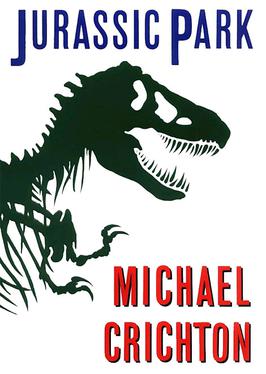
Michael Crichton
Michael Crichton was very good at keeping the general reader’s attention. The author knew how to frame a scene, to the point you could visualize it as if it were playing out in front of you. This dynamic is one of the reasons so many of his works were adapted. His writing could be fast-paced, making more than few of his books page-turners. He didn’t usually go too far down the rabbit hole of hard sci-fi, instead focusing on action and characters against a mostly grounded backdrop. Was it sometimes splashy? Yes. Was it entertaining? Almost always. As a kid, I appreciated that.
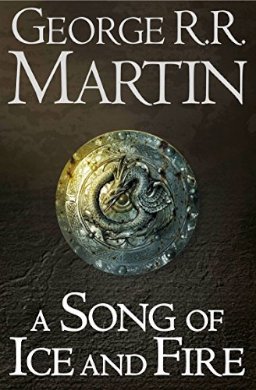
George R. R. Martin
These next two are no-brainers not just for fantasy, but also for sheer world-building. You’d have to bury your head in the sand (for a very long time) not to be familiar with Martin’s works. He does something that I appreciated in Tolkien’s classic trilogy; uses multiple characters to flesh out the landscape of his world. In one chapter, you’re on one side of the realm. With the next, you’re a thousand leagues away. This paints a larger overview of the world you’re being introduced to. Another detail I appreciate from the Ice and Fire series is the theme of squabbling your way to oblivion. Can the realm get its shit together before a much worse threat invades? I guess we know the answer now, but I’d still love to read more.

J. R. R. Tolkien
You know what it is. His works impacted the younger me, especially in college. World-building is something I greatly appreciate, going down the rabbit hole of lore. To this day, I haven’t read many authors that were as descriptive and detailed as Tolkien. What else can be said that hasn’t already? S tier, master class.

H. P. Lovecraft
I was influenced by Lovecraft before I even knew who he was. Through films like The Thing and Alien/Aliens, his grotesque form of horror survived. I can’t say enough about cosmic horror, the fear of the unknown and something far bigger than you’ll ever comprehend. I really dug his short stories which mixed mystery, sci-fi, and terror with little effort. The man had a problematic life, but was also far ahead of his time. So much so, it took nearly fifty years to properly visualize his works on film. His original stories still hold up.

Anne Rice
I enjoyed Rice’s first three vampire books. Interview established solid characters, and Lestat was just fun. But with Queen of the Damned, she really went down that wonderful rabbit hole I’ve mentioned before. How far back does the author go? To the beginning, introducing godlike characters along the way. The lore runs deep with a satisfying conclusion. Though I haven’t read anything after Damned, I’d still recommend her initial trilogy.
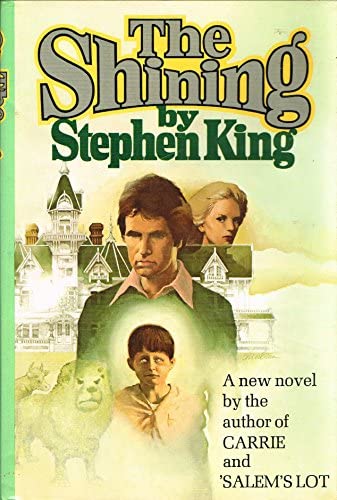
Stephen King
Being a kid of the 80s and 90s, I was heavily influenced by the works of Stephen King. His books were original and twisted, and they usually became pretty good films. King’s versatility made him a brand. His books range from sprawling to intimate, with tales that run the length of a dictionary to quick afternoon reads. Horror, fantasy, science fiction, and drama, the man covered it all. He also proves if you have a vision and the skill, you can go ham with your structure and storytelling. One needs to look no further than It to deduce this. He was particularly good at addressing themes of isolation, alcoholism/addiction, paranoia, religion, and the ailments of the creative mind. What wonderful madness.

Hunter S. Thompson
Fear and Loathing slaps. Thompson’s colorful/chaotic narration, dialog, and characters still resonate today. This drove a lasting point home for me; if you have good characters and dialog, you can make almost anything work. What’s the plot of Fear and Loathing? Barely matters. Setting? Who cares? The drug-fueled madness of the narrator and his colleagues is all you need. Character actions and interactions paint his vivid world. I once drove by Thompson’s house in Colorado, not long after his death. The front looked exactly as you’d expect, I was not disappointed. If we could all be so visceral in our writing as he was in his life.
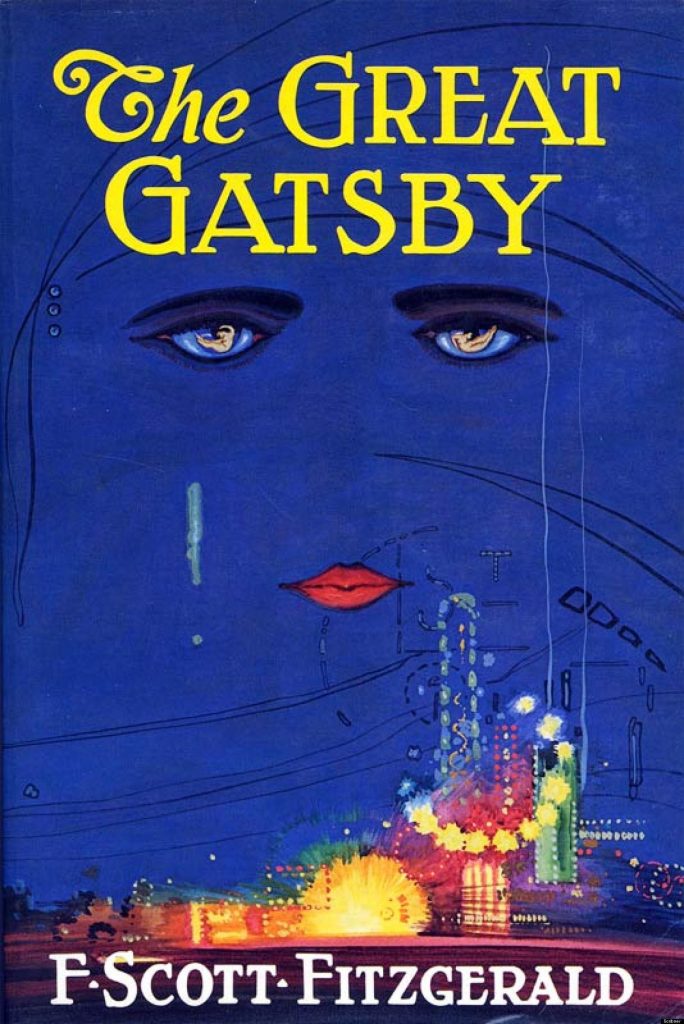
F. Scott Fitzgerald
The themes of Gatsby have resonated throughout our culture over the years. It certainly influenced Orson Welles’s Citizen Kane, among other works. What seems like a straightforward story deals a great amount of subtext. This includes; the faces we create to fool those around us (and ourselves), relentlessly striving for an idea, and having everything but the thing you want. The green light at the end of the dock. In a bittersweet instance of life imitating art, Fitzgerald didn’t live to see his book succeed, making his tale all the more haunting.
anime

Ninja Scroll
This is one of the coolest anime films ever, and my personal favorite. Another morally-gray tale, Jūbei Kibagami wanders feudal Japan as a warrior for hire. He becomes embroiled in a plot that takes him down the rabbit hole of twisted villains and questionable allies. Similar to a video game, he battles his way from one big boss to the next until finally confronting the enemies’ final form; a figure from his mysterious past. This is a dark/nihilistic tale with some amazing action scenes and bittersweet character moments. Fair warning, however, it’s gory as hell.

Akira
The granddaddy. Akira hit the scene like a meteor; the crater that it left became mainstream anime. The story holds up; a group of neo-punks crosses paths with escaped psychic patients and the shadowy government agency trying to get them back. During the mayhem, the constantly bullied Tetsuo absorbs telekinetic powers and goes on the warpath. It’s up to hero Kaneda to stop him before he wrecks everything. Spoilers; everything gets wrecked anyway. What a spectacle it is, too.

Ghost in the Shell
We’re getting back into Asimov territory here. What is the soul? Can it be manufactured, or transferred? Identity is explored in this mid-90s film. Want to get existential in a neon environment? Here is it. A story about ideas as much as action, it was the prototype for many tales to come. I can’t speak to its sequels and remakes, but the original still kicks ass. Along with Akira, Ghost put cyberpunk on the map for animation.
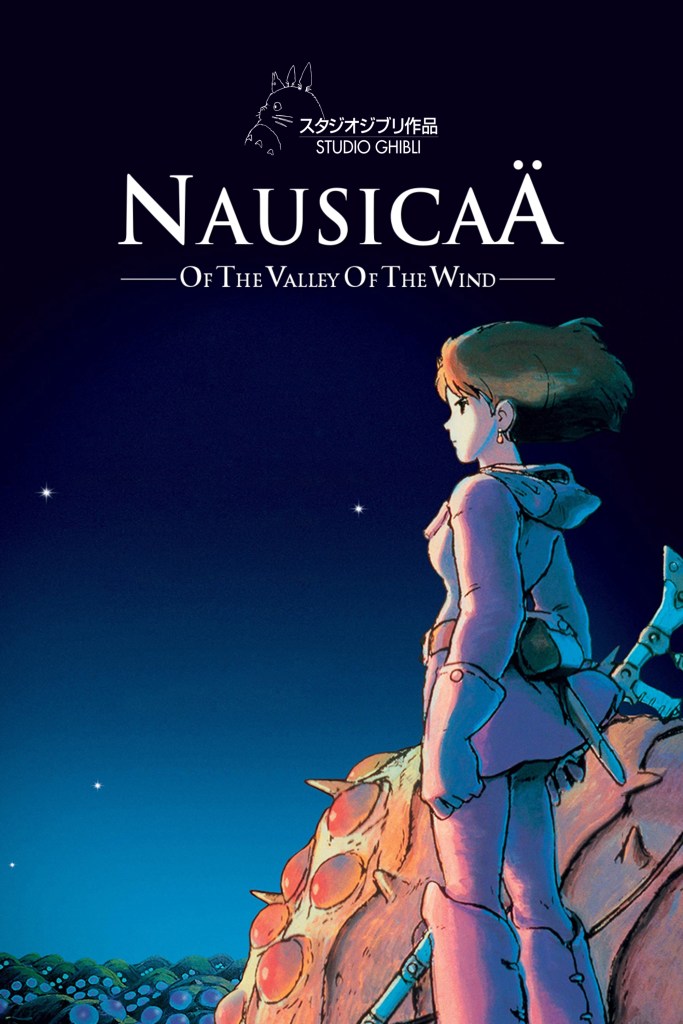
Nausicaä of the Valley of the Wind
This was my introduction to Studio Ghibli and Hayao Miyazaki. There are a lot of early steampunk elements here, including a post-apocalyptic world and lots of high-flying mechanical contraptions. This and Castle in the Sky really progressed the idea of aerial adventure. All Studio Ghibli films have a sense of wonder; Nausicaä in particular has some great action scenes in the sky.
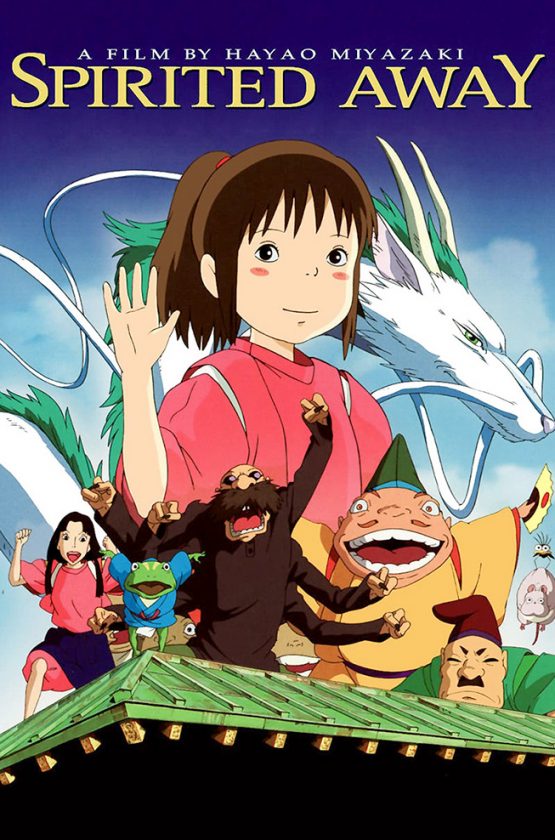
Spirited Away
I have to include this one as an influence. The college version of me was blown away by Miyazaki’s Alice in Wonderland tale, one of my greatest theater experiences. The movie is wild for sure; instead of a hole in the ground, protagonist Chihiro finds herself drawn to a tunnel in the overgrown countryside. What’s on the other side? A whole lot of mysticism that was beyond my young understanding. Still, the themes resonate in a satisfying way. I could cite any number of Ghibli films including Princess Mononoke or Howl’s Moving Castle, but this one stuck with me the most. Sometimes the rabbit hole is you?
 Red Husted
You must be logged in to post a comment.